
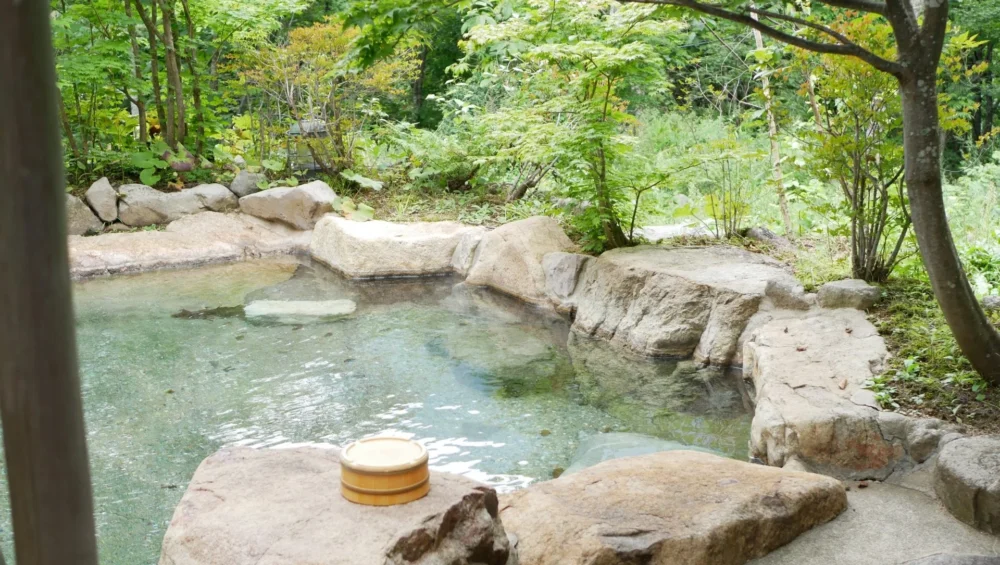
♨️ Onsen (Hot Springs) – Deep Relaxation & Natural Recovery in Japan
Japan’s onsen (hot springs) culture is one of the most cherished wellness traditions dr rahman in the world. More than just warm bathing, onsen represents a complete experience of relaxation, healing, and connection with nature. Scattered across volcanic landscapes, mountains, and coastal regions, these natural hot springs have been used for centuries to restore both body and mind.
🌋 The Natural Power Behind Onsen
The reason Japan has so many hot springs is its unique geography. The country sits on the Pacific Ring of Fire, meaning volcanic activity is common beneath the surface. As rainwater seeps deep into the earth, it is heated by geothermal energy and rises back up, enriched with minerals such as sulfur, sodium, calcium, and magnesium.
These minerals are believed to offer various wellness benefits, including:
- Improved blood circulation
- Relief from muscle pain and stiffness
- Skin nourishment and detoxification
- Reduced stress and mental fatigue
Each onsen has its own mineral composition, which is why different hot springs are known for different healing effects.
🧘 Onsen as a Ritual of Relaxation
Visiting an onsen is not just about bathing—it is a ritual of slowing down. Before entering the hot spring, visitors are expected to wash and rinse their bodies thoroughly. This tradition reflects the cultural importance of cleanliness and respect for shared spaces.
Once inside the warm water, time seems to slow. The sensation of soaking in natural heat while surrounded by mountains, forests, or rivers creates a deep sense of calm. Many people describe the experience as a form of meditation without effort.
The quiet atmosphere is essential. Most onsen areas discourage loud conversation, allowing guests to fully immerse themselves in silence, nature, and personal reflection.
🌿 Recovery for Body and Mind
Onsen are widely valued for their recovery benefits, especially for those with active or stressful lifestyles. Athletes often use hot springs to relax muscles after training, while travelers use them to recover from long journeys.
The combination of warm water and minerals helps:
- Ease joint and muscle tension
- Support faster physical recovery
- Improve sleep quality after bathing
- Reduce anxiety and mental stress
Many traditional ryokan (Japanese inns) are built around onsen, offering guests a full wellness retreat experience with tatami rooms, seasonal meals, and scenic baths.
🏔️ Famous Onsen Regions in Japan
Japan is home to thousands of hot springs, but some regions are especially famous:
- Hakone (Kanagawa) – known for mountain views and easy access from Tokyo
- Beppu (Oita) – one of the most active geothermal areas in the world
- Noboribetsu (Hokkaido) – famous for its “Hell Valley” volcanic landscape
- Kusatsu (Gunma) – highly acidic waters believed to have strong healing properties
Each destination offers a different atmosphere, from rustic outdoor baths to luxury spa-style resorts.
🌸 A Cultural Experience Beyond Wellness
Onsen are deeply embedded in Japanese culture. They are not just wellness facilities but also social and cultural spaces where people reconnect with simplicity and nature. The experience encourages mindfulness—being present, slowing down, and appreciating natural warmth.
For many visitors, an onsen bath becomes one of the most memorable parts of traveling in Japan.
✨ Conclusion
♨️ Onsen represent far more than hot water—they are a harmony of nature, tradition, and healing. Whether for physical recovery or mental relaxation, soaking in a Japanese hot spring offers a rare opportunity to reset both body and mind. In a fast-paced modern world, onsen remain a gentle reminder that sometimes, the best medicine is simply to pause, breathe, and let nature do its work.